

Didier Ramos Silva Co
September 22, 2025
/ 6 Minutes
Didier Ramos Silva Co
September 22, 2025
/ 6 Minutes
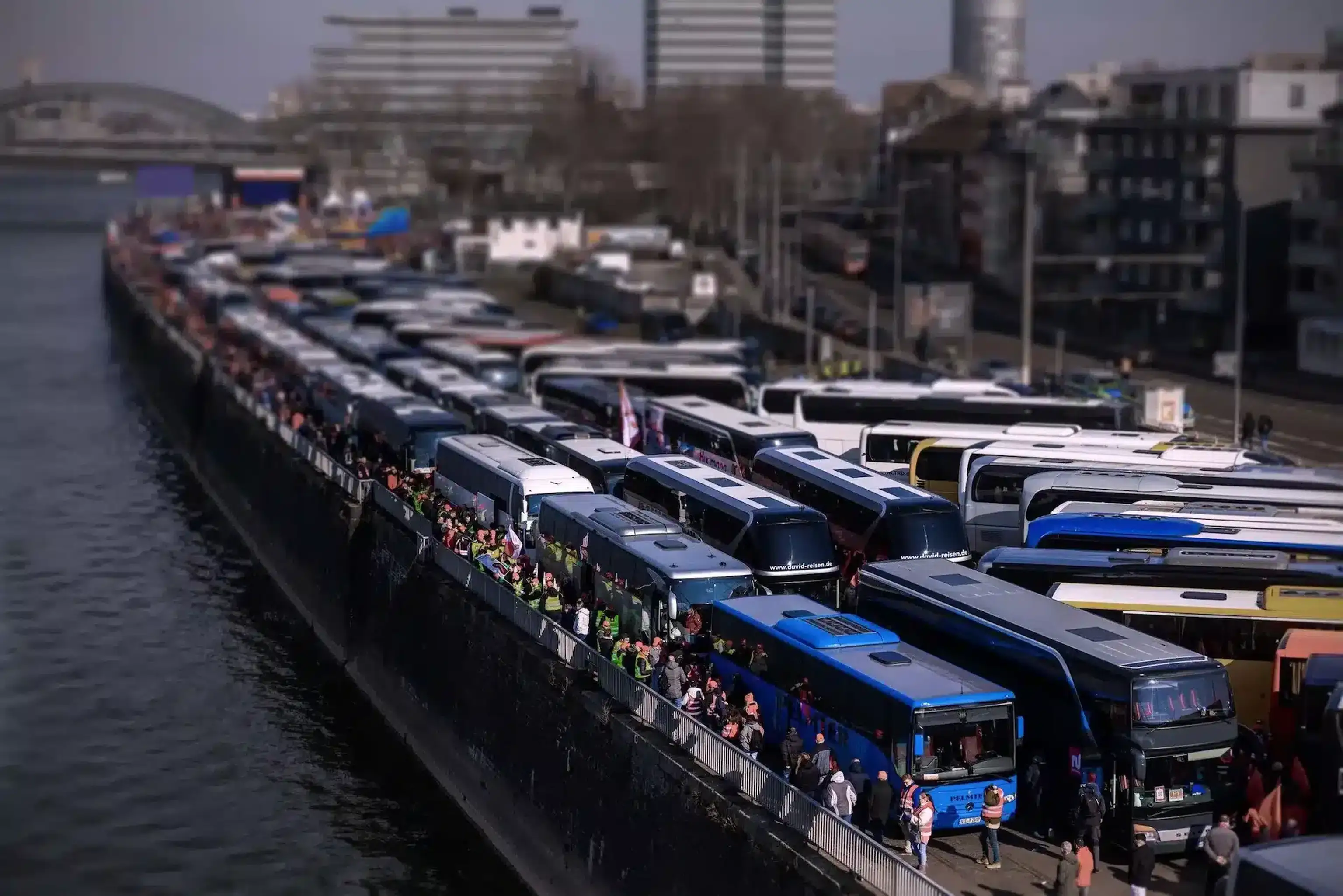
A trade union was planning a nationwide day of action as the culmination of a campaign. The success of the event depended on tens of thousands of members from across the country reaching the rallies on time and in an orderly manner. A logistical failure would have weakened the message of the entire day.
The task: 48,896 participants had to be transported simultaneously to five major rallies in the city centres of Frankfurt, Cologne, Stuttgart, Leipzig and Hanover. Each location had its own requirements, such as conditions set by the authorities, limited access routes and few stopping areas. All participants were to arrive before the rallies began and leave the locations in an orderly manner after they ended. Shortly before the event, the union also reported changes to participant numbers and departure points.
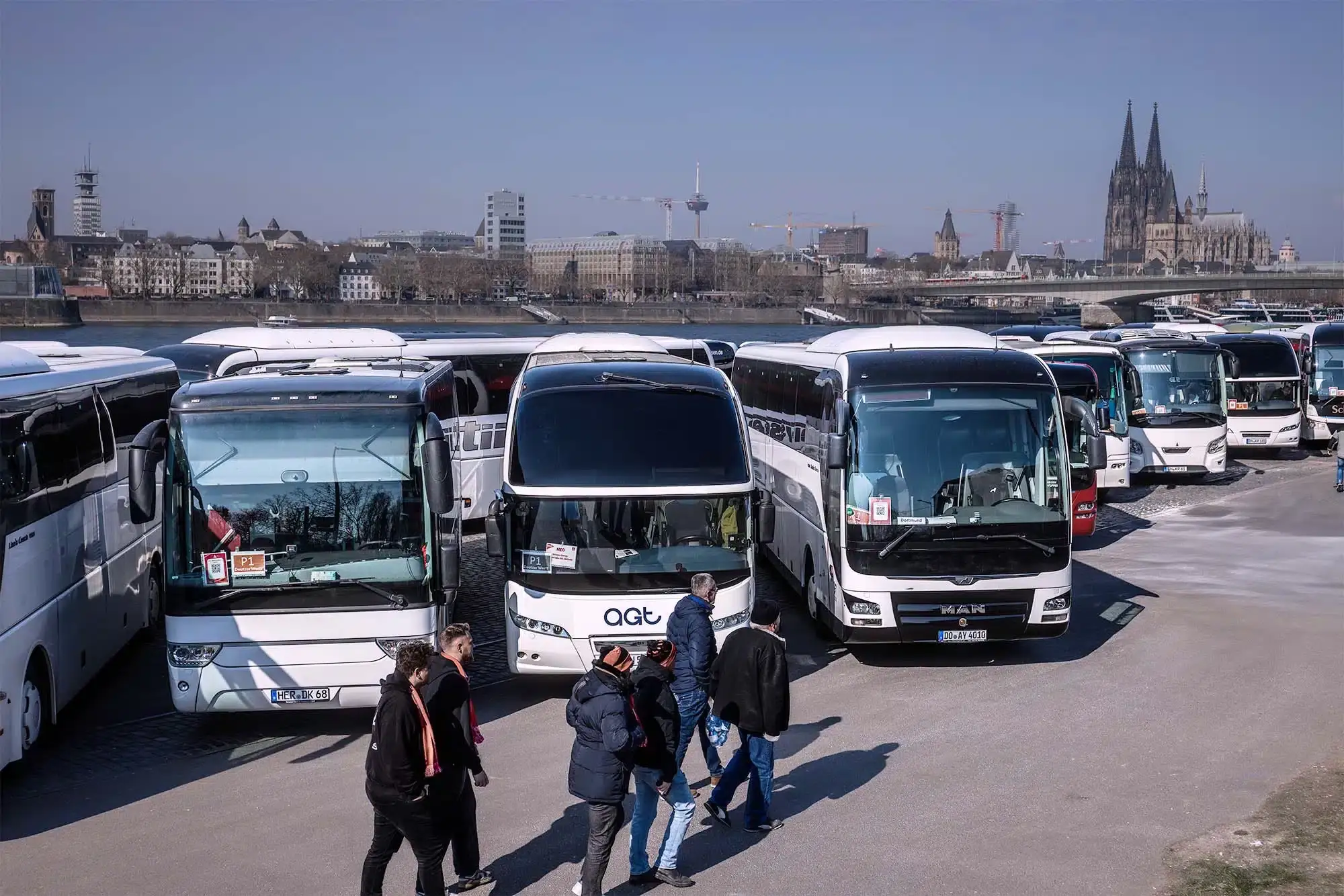
The scale and complexity of the project presented the union with a logistical challenge that went beyond its own organisational capacity:
This requirement came up against a highly fragmented transport market. Coordinating many different bus partners—each with their own processes—called for central management of quality, price and reliability. What was needed was a central partner able to take operational responsibility and manage the complexity.
agt’s response was a centrally managed mobility concept for the union’s event logistics. As the central point of contact, agt took overall operational responsibility and relieved the union of the complexity. The basis was agt’s network of more than 1,500 partner operators across Europe, combined with procurement, planning and on-site implementation.
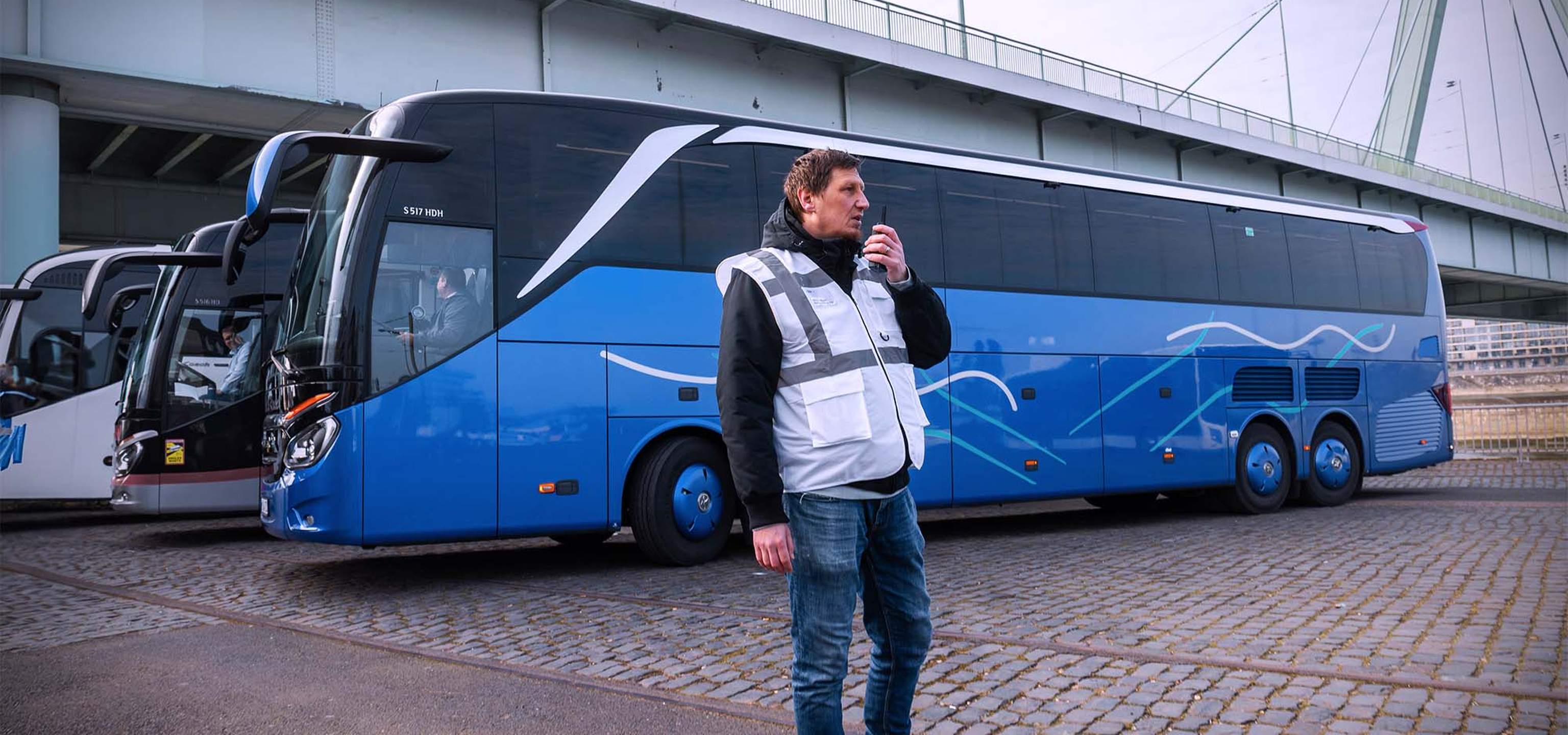
At the same time, an agt project team developed a separate traffic plan for each of the five locations during the planning phase lasting several months—with car park shuttles, road closures and dedicated departure areas, in close coordination with the authorities and the police. From route planning to briefings for the drivers, every detail was centrally managed. An in-house participant tool allowed last-minute changes from the union to be incorporated quickly. At each of the five destinations, agt coordination teams—consisting of lead coordinators and dispatchers—managed the coaches.
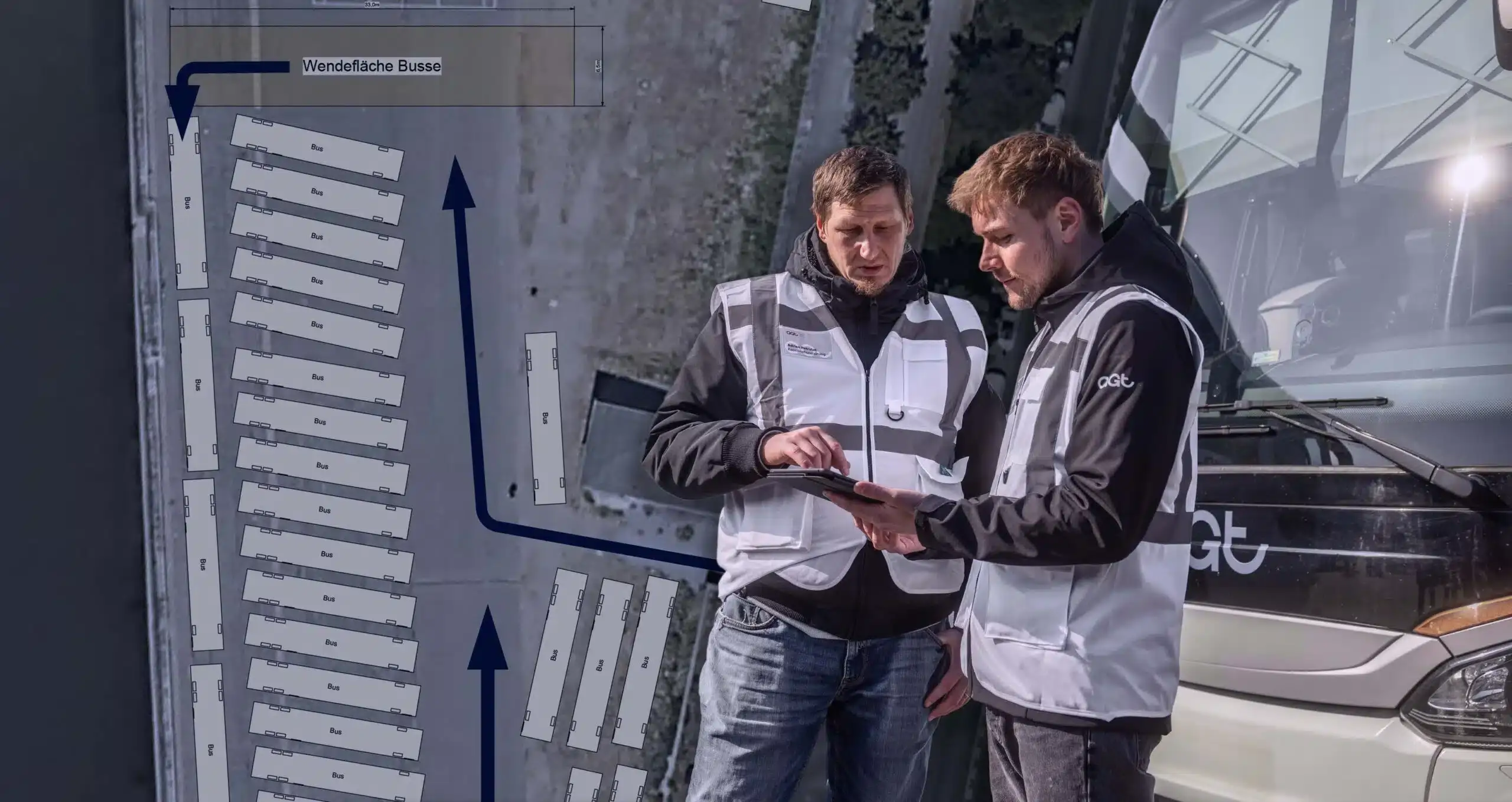
The solution was based on three pillars. agt focused on early and ongoing communication with the union and its local offices in order to identify any potential complications at an early stage.
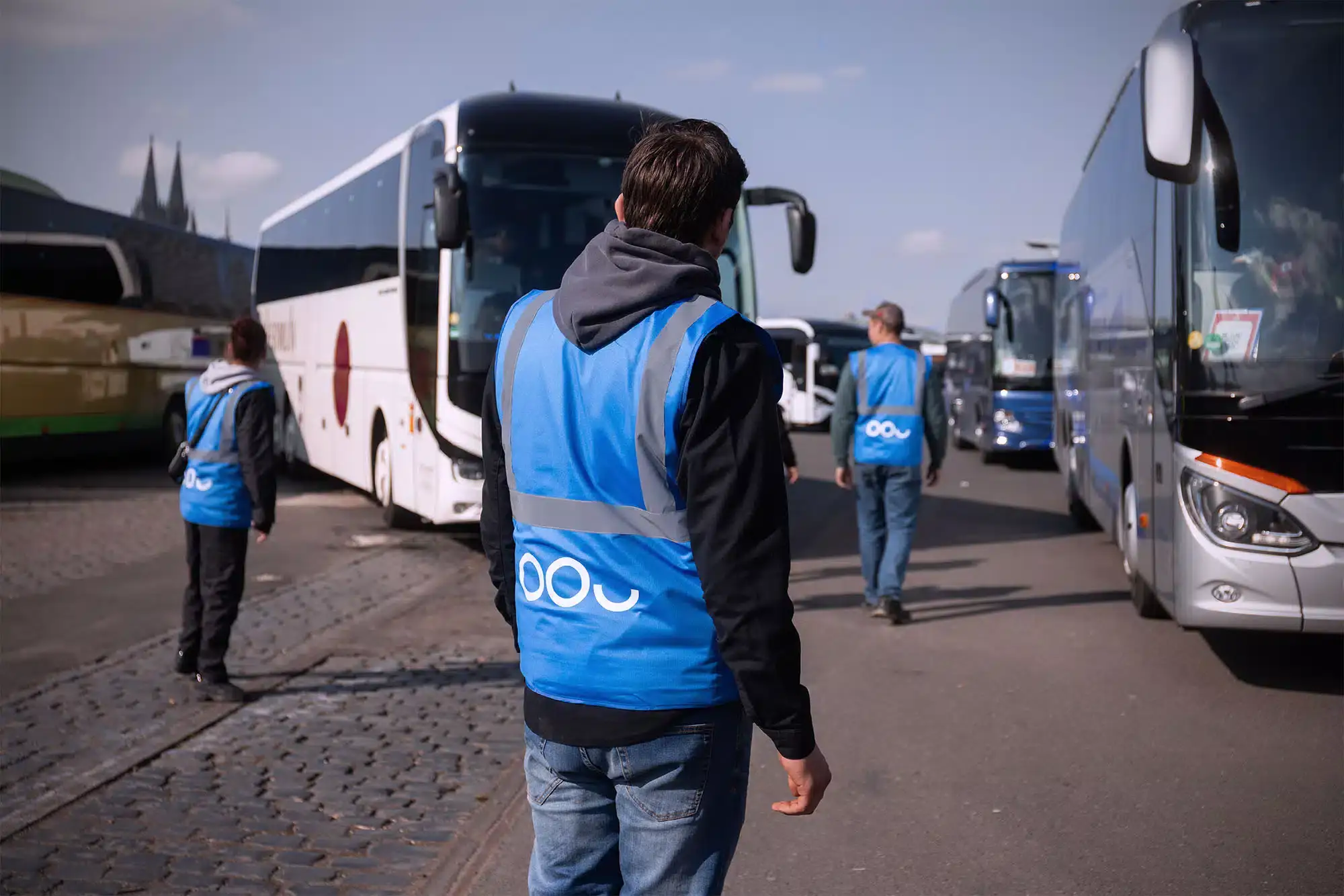
Months of planning culminated on the day of action in a closely coordinated operation. From the early morning hours, agt coordination teams were on duty at all five locations to manage the arriving coaches. Each location had its own particular features, such as different parking situations, traffic routing or traffic control regulations. Supported by a central back office, every coach was accompanied from arrival through the orderly drop-off of participants to its positioning for the return journey.
For the 48,896 participants, this meant an orderly arrival and departure; the union was able to concentrate on the content of its event. Last-minute changes to participant numbers and departure points were absorbed via the participant tool and the bus partners. The drivers take care of the transport, the agt coordination teams of the process at the stopping and departure areas.
This process was made possible by careful advance planning, close coordination with the authorities and the police, and the presence of the coordination teams on site. agt has been operating since 2004 and, as a coach charter agency, plans bus services for major events.
transported participants from all over Germany

Centrally and decentrally coordinated buses for transporting guests

Events starting simultaneously across the country

Guests' various departure locations

partner operators who carried out the passenger transport on behalf of agt

Together, we can deliver your project, too. Whether a small group or a major event—at agt, you receive individual planning tailored to your requirements.